
Evidence-Based Approaches for Optimal Wellness
Living a healthy lifestyle and understanding fitness science go hand in hand. These topics are key to feeling good and staying well. A healthy lifestyle means eating right, moving your body, and taking care of your mind. Fitness science looks at how exercise affects our bodies and health.

Fitness is part of a healthy lifestyle and can help people live better, longer lives. When we exercise and eat well, our bodies work better. This can lead to less sickness and more energy. Fitness science helps us know what types of exercise are best for different goals.
Learning about healthy lifestyles and fitness can help anyone. It's useful for students, workers, and older adults. Even small changes can make a big difference in how we feel each day. By mixing good habits with what science tells us, we can all work towards being healthier and happier.
Key Takeaways
- Healthy lifestyles and fitness science work together to improve wellbeing
- Regular exercise and good nutrition are key parts of staying healthy
- Small changes in daily habits can lead to big improvements in health over time
The Fundamentals of Healthy Lifestyles
Healthy lifestyles involve making choices that support physical and mental well-being. These choices include eating nutritious foods and staying active. Good habits can help prevent illness and boost quality of life.
Understanding Health and Wellness
Health is more than just the absence of disease. It includes physical, mental, and social well-being. Wellness goes beyond basic health and aims for optimal functioning in all areas of life.
Key aspects of wellness include:
- Physical activity
- Stress management
- Adequate sleep
- Social connections
Regular exercise improves fitness and mood. It can be as simple as a daily walk or more intense workouts. Managing stress through relaxation techniques helps maintain mental balance.
Getting enough sleep is vital for the body to repair and recharge. Strong social ties provide emotional support and a sense of belonging.
The Role of Nutrition in Health
Proper nutrition is a cornerstone of a healthy lifestyle. It provides the body with essential nutrients for growth, repair, and energy.
A balanced diet includes:
- Fruits and vegetables
- Whole grains
- Lean proteins
- Healthy fats
Eating a variety of colorful fruits and veggies ensures a wide range of vitamins and minerals. Whole grains offer fiber and sustained energy. Lean proteins support muscle health.
Healthy fats from sources like nuts and fish aid in nutrient absorption. Staying hydrated by drinking plenty of water is also key. Limiting processed foods and added sugars helps maintain a healthy weight.
Foundations of Fitness Science
Fitness science is built on key principles of human physiology and the effects of exercise on the body. It explores how physical activity impacts health and well-being across different systems.
Exercise Physiology
Exercise physiology studies how the body responds to physical activity. It looks at changes in the heart, lungs, muscles, and other organs during exercise. The cardiovascular system pumps more blood to working muscles. The respiratory system increases breathing rate to take in more oxygen.
Muscles use stored energy and oxygen to contract. This process releases heat, causing body temperature to rise. The nervous system coordinates movement and balance. Hormones like adrenaline increase to boost energy and focus.
Exercise intensity affects these responses. Higher intensity workouts push the body's systems harder. Regular training leads to adaptations over time. The heart becomes stronger and more efficient. Muscles grow and get better at using oxygen.
Health Benefits of Regular Physical Activity
Regular exercise provides many health benefits. It lowers the risk of heart disease, stroke, and type 2 diabetes. Physical activity helps control blood pressure and reduces bad cholesterol levels.
Exercise strengthens bones and muscles. This lowers the risk of osteoporosis and improves balance. Staying active helps maintain a healthy weight. It boosts metabolism and builds lean muscle mass.
Physical activity improves mental health too. It reduces stress, anxiety, and depression. Exercise releases endorphins that enhance mood. Regular workouts can boost self-esteem and cognitive function.
Getting enough exercise supports better sleep. It can help people fall asleep faster and enjoy deeper sleep. Physical activity also boosts the immune system, helping fight off illness.
Educational Pathways in Health Sciences
Health sciences education offers various paths for those interested in promoting wellness and fitness. Programs combine scientific knowledge with practical skills to prepare students for careers in health and fitness fields.
College of Health Solutions at Arizona State University
The College of Health Solutions at Arizona State University provides diverse programs in health sciences. Students can pursue degrees in areas like exercise science, health promotion, and nutrition.
The college offers both undergraduate and graduate options. Undergraduate programs build a strong foundation in health and science concepts. Graduate programs allow for specialization and advanced study.
Faculty members bring real-world experience to the classroom. This helps students apply their learning to practical situations. The college also emphasizes hands-on learning through internships and research opportunities.
Certification and Licensure Requirements
Many health science careers require professional certification or licensure. These credentials demonstrate expertise and commitment to professional standards.
The Certified Health Education Specialist (CHES) credential is important for health educators. To earn this, candidates must have a bachelor's degree and pass an exam. The exam covers areas like health education methods and program planning.
Some states require licensure for certain health professions. Requirements vary but often include:
- Completing an accredited educational program
- Passing a national exam
- Meeting continuing education requirements
Fitness professionals may need certifications in areas like personal training or group fitness instruction. These show expertise in exercise science and safe training methods.
Maintaining certifications often involves ongoing education. This ensures professionals stay current with the latest health and fitness research.
Preventative Health Care and Health Promotion
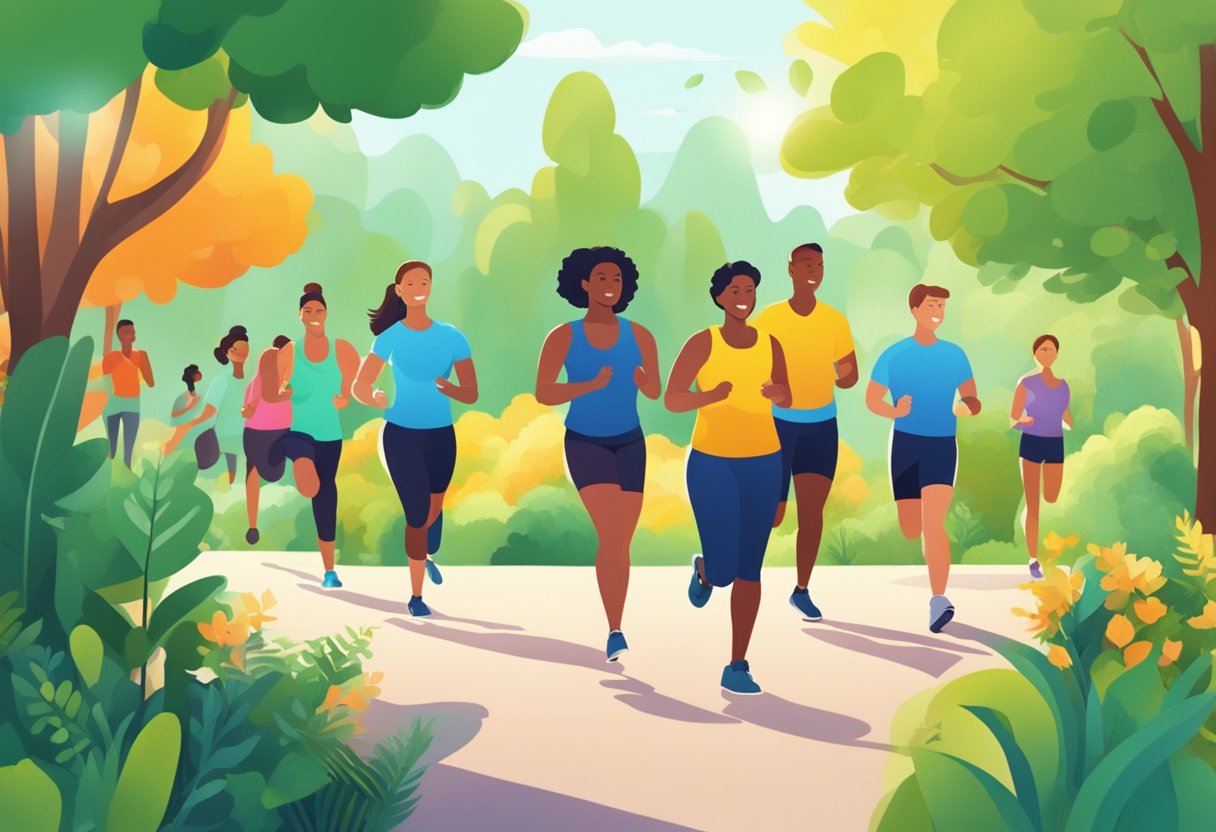
Preventative health care and health promotion focus on keeping people healthy. They aim to stop health problems before they start. These approaches use different ways to help people live better.
Community Health and Public Health Initiatives
Public health programs work to improve health for many people at once. They often target common health issues like heart disease or diabetes. These programs might offer free health checks or classes on healthy eating.
Some cities create bike lanes to make exercise easier. Others ban smoking in public places. These changes help everyone in the area live healthier lives.
Schools play a big role too. They teach kids about nutrition and exercise. Many schools now offer healthier lunch options. This helps children form good habits early on.
Workplaces also join in. Some offer gym memberships or fitness classes to staff. Others have walking meetings instead of sitting in offices. These small changes can make a big difference over time.
Stress Management Techniques
Stress can harm health in many ways. Learning to manage stress is key for staying well. There are many ways to do this.
Exercise is a great stress-buster. Even a short walk can help calm the mind. Yoga and tai chi combine movement with breathing to reduce stress.
Mindfulness and meditation help too. These practices teach people to focus on the present moment. This can lower stress and improve mood.
Getting enough sleep is crucial. Good sleep helps the body recover from daily stress. Experts suggest adults aim for 7-9 hours each night.
Talking to friends or a therapist can also help. Sharing worries often makes them feel smaller. Some people find that writing in a journal helps them process stress.
Professional Development in Health and Fitness
Health and fitness professionals have many options to grow their careers. They can gain hands-on experience and explore different job paths in this field.
Experiential Learning and Internship Opportunities
Health education programs often include experiential learning courses. These give students real-world practice in fitness and wellness settings.
Internships are key for gaining skills and making contacts. Students might work at gyms, hospitals, or wellness centers. They can learn about health coaching, program design, and client care.
Research opportunities let students dive into fitness science topics. They might study exercise effects or nutrition trends. This can lead to presenting at conferences or publishing papers.
Career Paths and Employment Opportunities
A Bachelor of Science in Kinesiology opens many career doors. Graduates can become personal trainers, wellness coaches, or fitness managers.
Some roles to consider:
- Health educator
- Corporate wellness coordinator
- Strength and conditioning coach
- Exercise physiologist
- Sports nutritionist
Online degrees in health sciences are growing in popularity. They offer flexibility for working professionals to advance their careers.
The job market is strong for fitness pros. Gyms, schools, and healthcare facilities all need skilled staff. Those with certifications in niche areas like yoga or senior fitness have even more options.
Mental Health and Behavior Change

Mental health and behavior change are key parts of living a healthy life. They shape how people think, feel, and act in their daily lives. These factors play a big role in adopting and keeping up good habits.
Influence of Psychology on Wellness
Psychology has a big impact on wellness. How people think and feel affects their choices about diet, exercise, and self-care. Stress, anxiety, and depression can make it hard to stick to healthy habits.
On the flip side, a positive outlook can boost motivation. People who feel good mentally often find it easier to eat well and stay active. Mental health professionals can help folks develop skills to cope with stress and negative thoughts.
Mindfulness and relaxation methods can improve both mental and physical health. These tools help people stay calm and make better choices. They also aid in managing emotions that might lead to unhealthy behaviors.
Health Behavior Theories and Coaching
Health behavior theories explain why people make certain health choices. These ideas guide wellness coaches in their work. The most common theories look at things like:
- Beliefs about health risks
- Confidence in making changes
- Social support and norms
- Readiness to change
Certified health and wellness coaches use these theories to help clients. They work with people to set goals and make plans. Coaches also teach skills for staying motivated and overcoming obstacles.
Health coaching can lead to big improvements in lifestyle. It helps people eat better, exercise more, and manage stress. Coaches also support mental health by listening and offering encouragement.
Integrated Health Science Research
Integrated health science research combines expertise from multiple disciplines to improve health outcomes. It leverages big data and advanced analytics to uncover new insights into wellness and disease prevention.
Research Expertise and Big Data in Health Science
Health science researchers bring diverse skills to tackle complex health challenges. They combine knowledge from fields like biology, medicine, public health, and data science. This interdisciplinary approach allows for more comprehensive studies.
Big data plays a crucial role in modern health research. Scientists analyze large datasets from sources like electronic health records, wearable devices, and genetic tests. Advanced computing and machine learning help process this information.
Researchers use big data to:
- Identify disease risk factors
- Track population health trends
- Develop personalized treatment plans
This data-driven approach leads to more precise and effective health interventions.
Impacting Health Outcomes Through Research
Integrated health science research aims to improve people's lives. Studies focus on prevention, early detection, and better treatments for various health conditions.
Some key areas of impact include:
- Developing new medicines and therapies
- Creating more accurate diagnostic tools
- Designing effective public health campaigns
Research findings inform health policies and clinical practices. This helps healthcare providers offer better care to patients.
Scientists also study ways to promote healthy lifestyles. Their work guides the creation of wellness programs and fitness initiatives.
By bridging the gap between scientific discovery and real-world application, integrated health research drives meaningful improvements in public health.
Frequently Asked Questions
People often ask about careers, degrees, and salary prospects in healthy lifestyles and fitness science. Academic requirements, online vs. on-campus programs, and key health determinants are also common topics of interest.
What are the career opportunities for graduates with a degree in healthy lifestyles and fitness science?
Graduates can pursue roles as fitness trainers, wellness coaches, or health educators. Some work in corporate wellness programs or community health centers.
Others find jobs in schools, hospitals, or sports facilities. The field offers diverse options for those passionate about promoting healthy lifestyles.
How does a degree in health and wellness compare to a degree in exercise science?
Health and wellness degrees focus on overall wellbeing, including nutrition and stress management. Exercise science degrees concentrate more on physical fitness and athletic performance.
Both degrees share some common topics but have different areas of emphasis. Health and wellness is broader, while exercise science is more specialized.
What are the academic requirements for enrolling in a healthy lifestyles and fitness science program?
Most programs require a high school diploma or equivalent. Strong grades in biology and health classes are often preferred.
Some schools may ask for SAT or ACT scores. Personal statements showing interest in health and fitness can also be helpful for admission.
What is the anticipated salary range for professionals in the field of healthy lifestyles and fitness science?
Salaries vary based on job role, experience, and location. Entry-level positions might start around $30,000-$40,000 per year.
Experienced professionals or those in management roles can earn $60,000-$80,000 or more. Some high-level corporate wellness directors may earn over $100,000 annually.
How does an online degree in health and wellness differ from a traditional on-campus program?
Online programs offer more flexibility in scheduling and location. Students can often work at their own pace and balance studies with other commitments.
On-campus programs provide more face-to-face interaction and hands-on experience. They may offer easier access to lab facilities and fitness equipment for practical learning.
What are the main determinants of health, fitness, and wellness according to scientific studies?
Diet and physical activity are key factors in health and fitness. Regular exercise and balanced nutrition contribute significantly to overall wellness.
Sleep quality and stress management also play important roles. Genetics, environment, and access to healthcare are additional determinants of health outcomes.


 Posts
Posts


0 Comments