
Expert Advice for Optimal Wellbeing
Staying healthy is important for everyone. A good mix of fitness and nutrition can help you feel great and live longer. Regular exercise and eating well are key parts of a healthy lifestyle.

Eating the right foods gives your body what it needs to work well. This means having plenty of fruits, vegetables, and whole grains. It also means not eating too much junk food or sugary drinks.
Exercise is just as important as eating right. Moving your body every day can make you stronger and happier. It doesn't have to be hard - even a short walk can help. The goal is to find activities you enjoy and make them part of your routine.
Key Takeaways
- Balanced nutrition and regular exercise are essential for good health
- A healthy diet includes lots of fruits, vegetables, and whole grains
- Finding enjoyable physical activities makes it easier to stay active
Understanding Nutrition and Its Fundamentals
Nutrition plays a key role in maintaining good health and fitness. It involves the intake of essential nutrients that fuel our bodies and support various bodily functions.
Macronutrients and Their Roles
Macronutrients are the main components of our diet that provide energy. They include:
- Carbohydrates: The body's primary energy source
- Proteins: Essential for building and repairing tissues
- Fats: Provide energy and help absorb certain vitamins
Each macronutrient has a specific function. Carbohydrates fuel physical activity, while proteins support muscle growth and repair. Fats are crucial for hormone production and cell function.
A balanced diet should include all three macronutrients in the right proportions. The ideal ratio may vary based on individual needs and goals.
Micronutrients: Vitamins and Minerals
Micronutrients are needed in smaller amounts but are vital for health. They include:
- Vitamins: Organic compounds essential for various bodily processes
- Minerals: Inorganic elements needed for proper body function
Some key micronutrients are:
- Vitamin C: Supports immune function
- Calcium: Essential for bone health
- Iron: Crucial for oxygen transport in the blood
A varied diet rich in fruits, vegetables, and whole grains usually provides adequate micronutrients. In some cases, supplements may be necessary under medical guidance.
The Importance of Fiber and Hydration
Fiber and water are often overlooked but are crucial for good health.
Fiber aids digestion and promotes feelings of fullness. It comes in two forms:
- Soluble fiber: Helps lower cholesterol
- Insoluble fiber: Promotes regular bowel movements
Good sources of fiber include fruits, vegetables, and whole grains.
Hydration is essential for nearly all bodily functions. Water helps:
- Regulate body temperature
- Transport nutrients
- Remove waste products
The amount of water needed varies based on factors like activity level and climate. Most adults should aim for 8-10 cups of fluid per day.
Developing a Healthy Diet
A healthy diet forms the foundation of a vibrant lifestyle. It provides essential nutrients, supports bodily functions, and helps maintain a healthy weight.
Choosing Whole Grains and Healthy Fats
Whole grains offer more nutrients and fiber than refined grains. They can help lower the risk of heart disease and diabetes. Good choices include brown rice, quinoa, and whole wheat bread.
Healthy fats are crucial for brain function and hormone production. Unsaturated fats from sources like olive oil, avocados, and nuts are beneficial. These fats can help reduce bad cholesterol levels.
It's important to limit saturated and trans fats found in processed foods and red meat. Replacing these with healthier options can improve overall health.
Incorporating a Variety of Fruits and Vegetables
Fruits and vegetables are packed with vitamins, minerals, and antioxidants. They help protect against chronic diseases and boost the immune system.
Aim for a colorful plate. Different colors often indicate different nutrients. For example:
- Red: tomatoes, strawberries (lycopene, vitamin C)
- Green: spinach, broccoli (iron, folate)
- Orange: carrots, sweet potatoes (beta-carotene)
Try to eat at least 5 servings of fruits and vegetables daily. This can be easier by adding them to smoothies, salads, or as snacks.
Understanding Portion Sizes and Control
Portion control is key to maintaining a healthy weight. Many people eat more than they need without realizing it.
Use these visual cues for portion sizes:
- Protein: palm of your hand
- Grains: closed fist
- Vegetables: two hands cupped together
Eating slowly and using smaller plates can help manage portions. It takes about 20 minutes for the brain to register fullness.
Be mindful of high-calorie drinks. They can add a lot of calories without providing much nutrition. Water is always the best choice for hydration.
The Role of Physical Activity in Health
Regular physical activity is crucial for maintaining good health. It strengthens the heart, builds muscle, improves flexibility, and helps prevent many diseases. Different types of exercise offer unique benefits for overall wellness.
Exercise and Cardiovascular Health
Aerobic exercise is key for heart health. Activities like brisk walking, jogging, swimming, and cycling get the heart pumping and improve circulation. This type of exercise:
• Lowers blood pressure • Reduces bad cholesterol levels • Increases good cholesterol • Helps control blood sugar
Regular physical activity can cut the risk of heart disease by up to 50%. Even 30 minutes of moderate exercise 5 days a week makes a big difference.
For weight loss, aim for 150-300 minutes of moderate exercise or 75-150 minutes of vigorous exercise weekly. This burns calories and boosts metabolism.
Strength Training and Muscle Recovery
Strength training builds muscle and bone density. It also speeds up metabolism, aiding in weight control. Key benefits include:
• Increased muscle mass • Stronger bones • Better balance and coordination • Faster recovery from injury
Aim to do strength exercises for all major muscle groups 2-3 times per week. Allow 48 hours between sessions for muscle recovery.
Proper nutrition aids muscle recovery. Eat protein-rich foods after workouts to repair muscle tissue. Stay hydrated and get enough sleep to help muscles heal.
Flexibility and Balance Exercises
Stretching and balance exercises improve flexibility and stability. They help prevent injuries and enhance overall fitness. Benefits include:
• Increased range of motion • Better posture • Reduced risk of falls • Less muscle tension
Yoga and tai chi are great for flexibility and balance. They also reduce stress and improve mental health.
Aim to do flexibility exercises 2-3 times per week. Hold each stretch for 10-30 seconds. Don't bounce while stretching, as this can cause injury.
Regular physical activity that includes all three types of exercise - cardio, strength, and flexibility - is ideal for optimal health and fitness.
Weight Management and Obesity Prevention
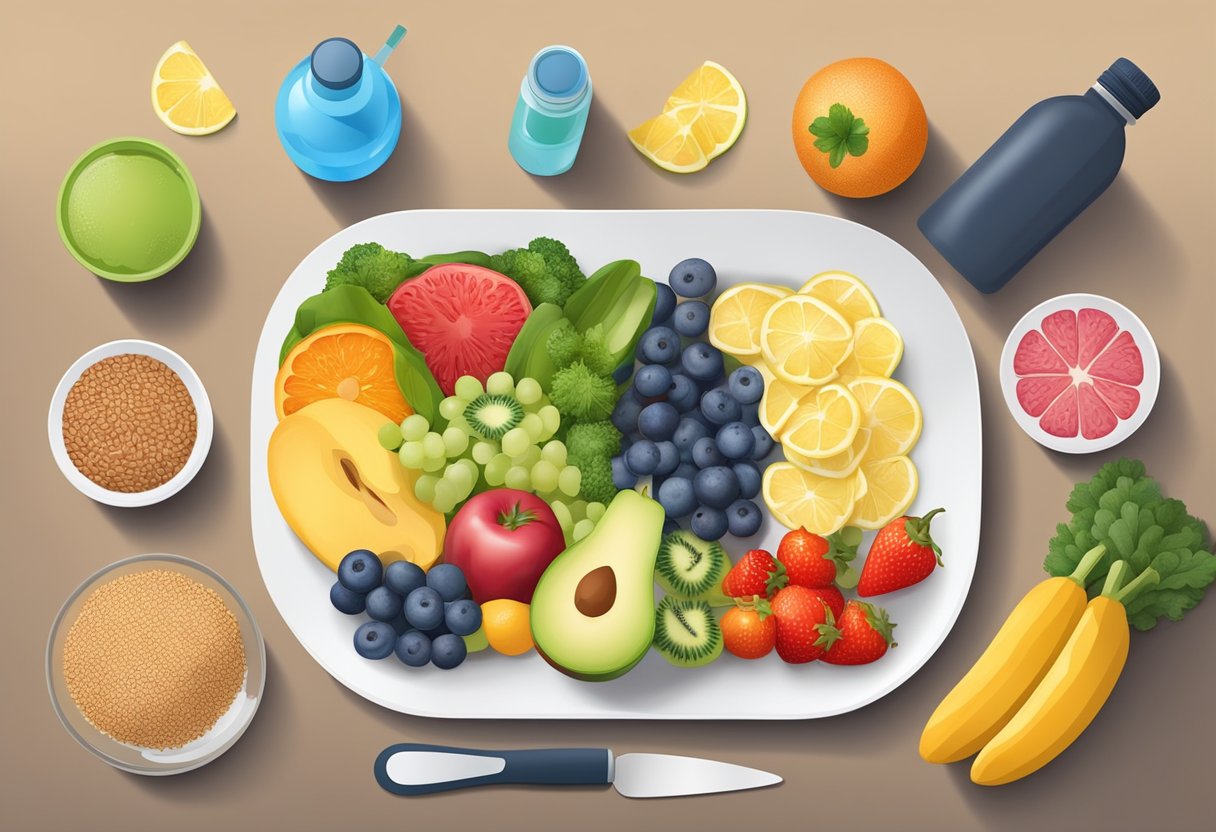
Maintaining a healthy weight is key for overall wellness. Effective weight management involves balancing diet and exercise while making sustainable lifestyle changes. Obesity raises the risk of many chronic health issues.
Balancing Caloric Intake and Expenditure
Weight management depends on the balance between calories consumed and burned. To lose weight, a person must create a calorie deficit. This means eating fewer calories than the body uses.
A good starting point is cutting 500-1000 calories per day from one's diet. This can lead to 1-2 pounds of weight loss per week. Tracking food intake with an app or journal helps monitor calorie consumption.
Increasing physical activity also burns more calories. Aim for at least 150 minutes of moderate exercise or 75 minutes of vigorous exercise weekly. Activities like brisk walking, swimming, or cycling are great options.
Strategies for Sustainable Weight Loss
Fad diets often fail in the long run. Instead, focus on making lifestyle changes that can be maintained over time.
Choose nutrient-dense, whole foods. These include:
- Fruits and vegetables
- Lean proteins
- Whole grains
- Healthy fats
Avoid processed foods high in added sugars and unhealthy fats. Practice portion control by using smaller plates and measuring servings.
Regular exercise is crucial. Find activities you enjoy to stay motivated. This could be team sports, dance classes, or hiking.
Get enough sleep. Poor sleep can disrupt hormones that control hunger and fullness.
The Impact of Obesity on Chronic Diseases
Obesity raises the risk of many serious health problems. These include:
- Type 2 diabetes
- Heart disease
- High blood pressure
- Certain cancers
- Osteoarthritis
Excess weight puts strain on joints and organs. It can also cause inflammation in the body. This contributes to the development of chronic diseases.
Even modest weight loss can improve health. Losing 5-10% of body weight can lower blood pressure, improve cholesterol levels, and reduce diabetes risk.
Lifestyle Factors Influencing Health and Nutrition
Many aspects of daily life affect our health and nutrition. Sleep, stress, and certain beverages play key roles in our overall well-being. These factors can impact our food choices, energy levels, and physical fitness.
Sleep and Its Effect on Well-Being
Getting enough sleep is crucial for good health. Healthy lifestyle choices include proper sleep habits. Adults need 7-9 hours of sleep each night.
Poor sleep can lead to:
- Weight gain
- Increased stress
- Weakened immune system
- Lower energy levels
Good sleep habits include:
- Keeping a regular sleep schedule
- Creating a relaxing bedtime routine
- Avoiding screens before bed
- Making sure the bedroom is dark and quiet
These habits can improve sleep quality and boost overall health.
Stress Management Techniques
Stress can harm both physical and mental health. It may lead to poor food choices and less exercise. Effective stress management is key for a healthy lifestyle.
Some helpful stress relief methods are:
- Deep breathing exercises
- Regular physical activity
- Meditation or mindfulness practices
- Spending time in nature
- Talking with friends or a therapist
Finding ways to relax and unwind can improve mood, energy, and food choices.
The Influence of Alcohol and Caffeine
Alcohol and caffeine can affect health and nutrition in various ways. Moderate intake may offer some benefits, but too much can cause problems.
Alcohol:
- Can add empty calories to the diet
- May lead to poor food choices when drinking
- In excess, can harm liver and heart health
Caffeine:
- Can boost energy and focus in small amounts
- May improve exercise performance
- Too much can disrupt sleep and increase anxiety
It's important to be mindful of alcohol and caffeine intake. Limiting these drinks can support better health and nutrition choices.
Preventive Nutrition to Combat Disease
Eating the right foods can help protect against many common health problems. A balanced diet rich in nutrients supports the body's defenses and promotes wellness.
Nutrition's Role in Preventing Type 2 Diabetes
Healthy food choices play a key role in lowering type 2 diabetes risk. Eating plenty of fiber from whole grains, fruits, and vegetables helps control blood sugar.
Limiting added sugars and refined carbs is also important. Instead, people should choose complex carbs like brown rice and quinoa.
Lean proteins like fish, chicken, and beans provide nutrients without excess fat. Healthy fats from nuts, seeds, and olive oil improve insulin sensitivity.
Portion control matters too. Eating smaller meals spread throughout the day keeps blood sugar stable. Drinking water instead of sugary drinks cuts empty calories.
Heart Health: Reducing Blood Pressure and Cholesterol
A heart-healthy diet focuses on fruits, vegetables, whole grains, and lean proteins. These foods provide fiber, vitamins, and minerals that support heart function.
Limiting sodium helps lower blood pressure. Using herbs and spices adds flavor without salt. Potassium-rich foods like bananas and sweet potatoes also help control blood pressure.
To reduce cholesterol, people should avoid trans fats and limit saturated fats. Choosing low-fat dairy and lean meats cuts unhealthy fats. Eating fish rich in omega-3s helps boost good cholesterol.
Plant-based proteins like beans and lentils provide protein without cholesterol. Nuts, seeds, and avocados offer healthy fats that improve cholesterol levels.
Boosting the Immune System with Nutrition
A strong immune system helps fight off illness. Eating a variety of colorful fruits and vegetables provides key vitamins and antioxidants.
Vitamin C from citrus fruits, bell peppers, and berries supports immune cell function. Vitamin E in nuts and seeds protects cells from damage.
Zinc from lean meats, seafood, and legumes helps create immune cells. Probiotics in yogurt and fermented foods support gut health, which impacts immunity.
Staying hydrated is crucial for a healthy immune system. Drinking water, herbal tea, and eating water-rich foods keeps the body functioning well.
Limiting processed foods high in sugar and unhealthy fats helps reduce inflammation. This allows the immune system to work more effectively to prevent disease.
Nutritional Considerations for Special Populations
Different groups have unique dietary needs. Proper nutrition supports health and well-being across life stages and activity levels. Key nutrients and eating patterns vary for older adults, expectant mothers, kids, and athletes.
Elderly Nutrition and Bone Health
As people age, their nutritional needs change. Calcium and vitamin D are vital for bone health. Older adults should aim for 1,200 mg of calcium daily from foods or supplements.
Vitamin D helps the body absorb calcium. Many seniors don't get enough from sunlight alone. A daily supplement of 600-800 IU is often recommended.
Protein becomes more important with age. It helps maintain muscle mass and strength. Seniors should eat protein-rich foods at each meal.
Fiber aids digestion and prevents constipation. Whole grains, fruits, and vegetables are good sources. Staying hydrated is also key, as thirst perception can decrease with age.
Nutrition for Pregnant Women and Children
Pregnant women need extra nutrients to support fetal growth. Folic acid is crucial in early pregnancy to prevent birth defects. A prenatal vitamin with 400-800 mcg is often advised.
Iron needs increase to support extra blood volume. Iron-rich foods or a supplement may be necessary. Omega-3 fatty acids aid baby's brain development.
For children, a balanced diet supports growth and development. Calcium builds strong bones and teeth. Vitamin D, found in fortified milk, helps calcium absorption.
Protein is essential for growth. Lean meats, eggs, and legumes are good sources. Fruits and vegetables provide vitamins and fiber. Limiting added sugars and unhealthy fats is important for kids' health.
Dietary Adjustments for Athletes
Athletes have higher energy needs due to increased activity. Carbohydrates are the main fuel for exercise. Complex carbs like whole grains provide steady energy.
Protein helps repair and build muscle tissue. Athletes need more protein than sedentary people. Good sources include lean meats, fish, and plant-based options like beans.
Proper hydration is crucial for performance. Water needs vary based on activity level and climate. Sports drinks can help replace electrolytes during intense exercise.
Timing of meals matters for athletes. Eating a mix of carbs and protein before and after workouts aids recovery. Some athletes may benefit from working with a sports nutritionist to optimize their diet.
Cultivating Healthy Eating Habits
Good eating habits are key to a healthy lifestyle. They help people get the nutrients they need and maintain a healthy weight.
Mindful Eating and Intermittent Fasting
Mindful eating means paying attention to food while eating. It helps people enjoy meals more and eat less. Some tips for mindful eating:
- Eat slowly and chew food well
- Turn off screens during meals
- Notice flavors and textures
Intermittent fasting is eating only during set times. It may help with weight loss and blood sugar control. Common fasting plans:
- 16/8: Eat for 8 hours, fast for 16
- 5:2: Eat normally 5 days, eat very little 2 days
People should talk to a doctor before trying fasting.
The Benefits of Nuts, Beans, and Seeds
Nuts, beans, and seeds are packed with nutrients. They have fiber, protein, and healthy fats. Some benefits:
- Help people feel full
- May lower heart disease risk
- Good for gut health
Easy ways to eat more:
- Add nuts to oatmeal or yogurt
- Snack on seeds
- Use beans in soups and salads
A handful of nuts or seeds makes a great snack.
Spices, Herbs, and Antioxidant-Rich Foods
Spices and herbs add flavor without extra calories. Many have health benefits too. Some top choices:
- Turmeric: May reduce inflammation
- Garlic: Supports heart health
- Cinnamon: Helps control blood sugar
Antioxidants fight cell damage. Foods high in antioxidants:
- Berries
- Dark chocolate
- Green tea
Adding spices to meals and snacking on berries are easy ways to get more antioxidants.
Frequently Asked Questions
A healthy lifestyle combines balanced nutrition and regular physical activity. These elements work together to support overall well-being and longevity.
What are the essential components of a balanced diet for maintaining health?
A balanced diet includes a variety of fruits, vegetables, whole grains, lean proteins, and healthy fats. These foods provide essential nutrients for optimal body function.
Proper nutrition is key to maintaining a healthy weight and reducing the risk of chronic diseases.
How does regular exercise contribute to overall well-being?
Regular exercise improves cardiovascular health, strengthens muscles and bones, and boosts mental health. It helps manage weight and reduces the risk of various health conditions.
Physical activity also enhances sleep quality and increases energy levels throughout the day.
What strategies can individuals adopt for integrating fitness into their daily routine?
Taking the stairs instead of the elevator and walking or biking for short trips are simple ways to increase daily activity. Setting reminders to move every hour can help reduce prolonged sitting.
Scheduling workouts like a regular appointment and finding enjoyable activities can make fitness a consistent part of one's routine.
What are the benefits of combining strength training and cardiovascular exercises?
Combining strength training and cardio exercises provides a well-rounded fitness approach. Strength training builds muscle mass and improves bone density, while cardio enhances heart and lung function.
This combination helps maintain a healthy weight and improves overall physical performance.
How important is hydration in relation to fitness and nutrition?
Proper hydration is crucial for both fitness performance and overall health. It regulates body temperature, transports nutrients, and helps remove waste products.
Adequate water intake supports digestion, nutrient absorption, and helps prevent fatigue during exercise.
Can you suggest effective ways to stay motivated in pursuing a healthy lifestyle?
Setting realistic, measurable goals can help maintain motivation. Tracking progress through a fitness app or journal provides visual evidence of improvements.
Joining a fitness class or finding a workout buddy can create accountability and make the journey more enjoyable.


 Posts
Posts


0 Comments