
Key Connections Explained
Fitness and healthy living go hand in hand. Many people think of them as separate things, but they are closely linked. A fit body needs good habits to stay that way. Eating well and staying active are key parts of a healthy life.

Fitness and healthy lifestyle are connected through good eating habits and regular exercise. When we make smart choices about food and keep our bodies moving, we feel better. This helps us stay fit and avoid health problems. It's not just about looking good - it's about feeling good too.
A healthy life isn't hard to achieve. Small steps can make a big difference. Taking walks, eating more fruits and veggies, and getting enough sleep are simple ways to start. These habits help build a stronger body and mind. When we take care of ourselves, we can enjoy life more fully.
Key Takeaways
- Regular exercise and good nutrition form the foundation of both fitness and a healthy lifestyle
- Making small, positive changes in daily habits can lead to significant improvements in overall health
- A balanced approach to fitness and lifestyle choices supports physical and mental well-being
Defining Fitness and Healthy Lifestyle
Fitness and healthy lifestyle are closely linked concepts that focus on physical well-being and daily habits. They work together to promote overall health and quality of life.
Components of Physical Fitness
Physical fitness has several key components. These include cardiovascular endurance, muscular strength, flexibility, and body composition.
Cardiovascular endurance refers to the heart and lungs' ability to supply oxygen during sustained physical activity. Muscular strength is the amount of force muscles can produce.
Flexibility is the range of motion in joints and muscles. Body composition is the ratio of body fat to lean body mass.
These components work together to create a well-rounded fitness level. Regular exercise and physical activity help improve each area.
What Constitutes a Healthy Lifestyle?
A healthy lifestyle involves daily habits that promote physical and mental well-being. It includes a balanced diet rich in fruits, vegetables, whole grains, and lean proteins.
Regular physical activity is crucial. Adults should aim for at least 150 minutes of moderate exercise per week.
Adequate sleep, typically 7-9 hours per night, is essential for recovery and overall health. Stress management through techniques like meditation or yoga also plays a role.
Avoiding harmful habits such as smoking and excessive alcohol consumption is important. Regular health check-ups and preventive care contribute to long-term wellness.
Biological and Psychological Benefits
Fitness and a healthy lifestyle offer many rewards for both body and mind. These benefits can greatly improve a person's quality of life and reduce health risks.
Improvements in Mental Well-being
Regular exercise boosts mental health in several ways. It can reduce stress, anxiety, and depression. Physical activity releases endorphins, which are natural mood lifters.
People who exercise often report feeling more positive and having higher self-esteem. This can lead to better social connections and improved work performance.
Exercise also helps with sleep quality. Good sleep is key for mental clarity and emotional balance.
Studies show that even short bursts of activity can have positive effects on mood. A brisk 10-minute walk can increase energy and alertness.
Preventive Impacts on Chronic Diseases
A fit and healthy lifestyle can help prevent many serious health issues. Regular exercise lowers the risk of heart disease, stroke, and high blood pressure.
Physical activity helps control blood sugar levels. This is very important for preventing and managing type 2 diabetes.
Staying active can also reduce the risk of some cancers, including colon and breast cancer. Exercise helps maintain a healthy weight, which is linked to lower cancer risk.
Weight-bearing exercises strengthen bones and muscles. This can prevent osteoporosis and reduce the risk of falls in older adults.
Regular physical activity boosts the immune system. A stronger immune system helps fight off infections and diseases.
Lifestyle Choices and Their Impact
The choices we make daily shape our health and fitness. What we eat and how active we are play
Age-Related Fitness and Health Considerations
Fitness needs and health concerns change throughout life. Different age groups face unique challenges in maintaining physical wellness.
Fitness in Adolescents
Adolescents need regular exercise for healthy growth and development. Physical activity in teens helps build strong bones and muscles. It also improves heart health and boosts mood.
Sports and group activities are great for adolescents. These build teamwork skills and social bonds. Aim for 60 minutes of moderate to vigorous exercise daily.
Proper nutrition is key for active teens. They need enough calories and nutrients to fuel growth and activity. Encourage healthy eating habits early on.
Maintaining Health and Fitness with Aging
As people age, staying active becomes even more important. Regular exercise helps prevent age-related declines in function. It can improve balance, strength, and flexibility.
Older adults should focus on a mix of activities:
- Aerobic exercise for heart health
- Strength training to maintain muscle mass
- Balance exercises to prevent falls
Protein intake becomes crucial for maintaining muscle. Older adults may need more protein than younger people.
Regular check-ups are vital. They help catch and manage health issues early. Seniors should work with their doctors to create safe fitness plans.
Physical Exercise Modalities
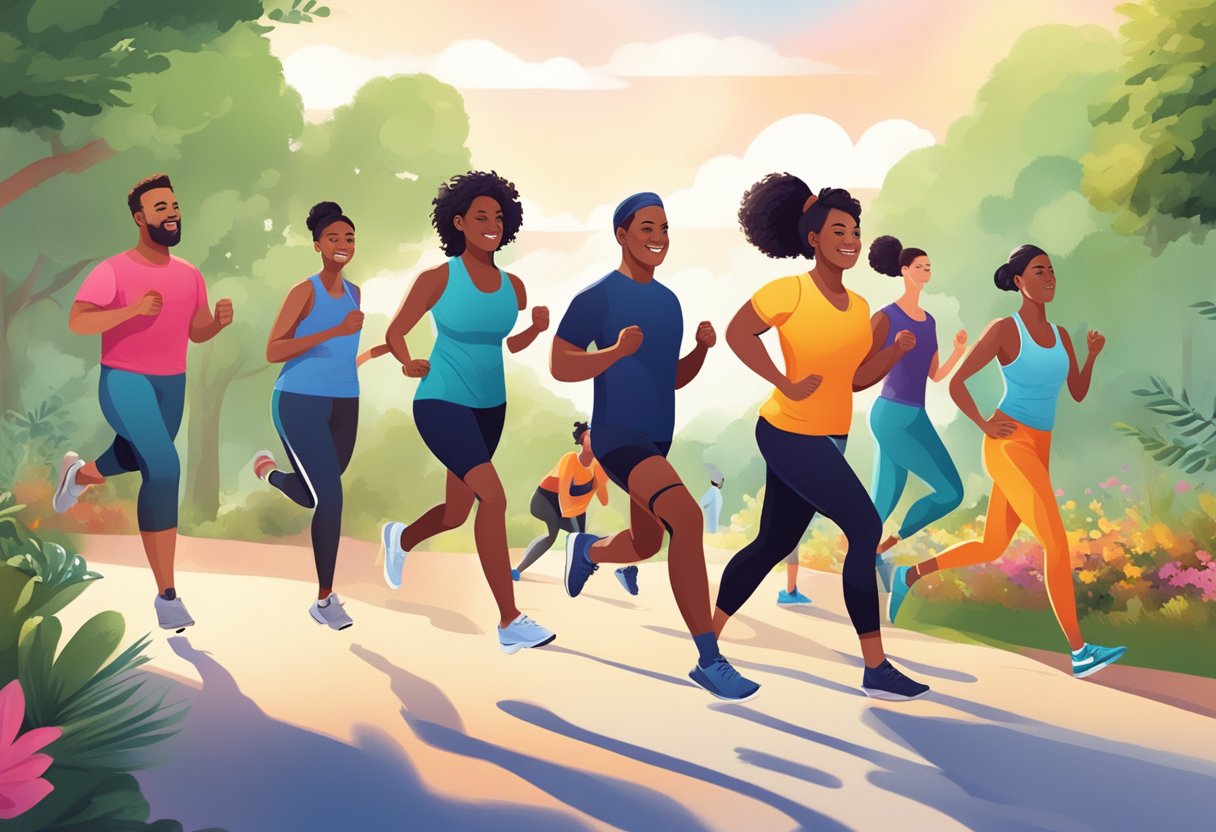
Physical exercise comes in different forms. Each type offers unique benefits for fitness and health.
Strength Training and Muscle Mass
Strength training builds muscle and bone density. It uses weights or body weight to create resistance. This type of exercise can:
- Increase muscle mass
- Improve muscle tone
- Enhance body composition
Regular strength training boosts metabolism. It helps maintain a healthy weight. Muscle mass is key for overall fitness.
Exercises like squats, push-ups, and lunges are effective. They work multiple muscle groups at once. Aim for 2-3 strength sessions per week.
Cardiorespiratory Endurance Activities
These activities boost heart and lung health. They improve the body's ability to use oxygen.
Common cardio exercises include:
- Running
- Swimming
- Cycling
- Brisk walking
Aerobic exercise helps control weight and reduces health risks. It lowers blood pressure and cholesterol levels.
For best results, aim for 150 minutes of moderate cardio per week. Or try 75 minutes of vigorous activity. Regular cardio improves endurance and stamina.
Combining strength training and cardio creates a balanced fitness plan. This approach enhances overall health and physical performance.
Effects of Fitness on Life Expectancy and Quality
Regular exercise and physical fitness have a major impact on how long people live and how well they feel. Staying active improves health in many ways, from strengthening the heart to boosting mood.
Extension of Lifespan
Physical activity can increase life expectancy by several years. People who exercise regularly tend to live longer than those who are inactive. One study found that maintaining a healthy lifestyle, including fitness, added about 14 years to life expectancy for women and 12 years for men.
Exercise helps prevent many causes of early death like heart disease and cancer. It keeps the body strong and reduces the risk of falls in older adults.
Moderate activity like brisk walking for 30 minutes a day provides major benefits. More intense workouts may offer extra gains in longevity.
Enhancement of Daily Living
Fitness improves quality of life in addition to extending it. Regular exercise boosts energy levels and mood. It helps people sleep better and feel more relaxed.
Staying active maintains strength and flexibility as people age. This allows older adults to keep doing daily tasks and hobbies they enjoy.
Physical fitness is linked to better brain function. It may lower the risk of dementia and keep the mind sharp. Exercise also reduces stress and anxiety.
For many, working out provides a sense of accomplishment. It can increase self-esteem and life satisfaction. Social exercise like team sports or group classes can combat loneliness.
Societal and Healthcare Perspectives

Fitness and healthy lifestyles have become key focus areas for both society and healthcare systems. They play a crucial role in preventing diseases and reducing healthcare costs.
The Role of Physical Education
Physical education in schools is vital for developing lifelong healthy habits. It teaches children about the importance of regular exercise and proper nutrition. Many schools now include lessons on preventing metabolic syndrome and heart disease.
Physical education programs often measure students' fitness levels and cholesterol. This helps identify health risks early. Some schools have added osteoporosis prevention education for teenage girls.
PE classes now focus more on enjoyable activities that students can continue into adulthood. This includes team sports, dance, and individual exercises like yoga or weight training.
Public Health Initiatives and Policies
Governments worldwide have launched public health initiatives to promote fitness. These aim to combat the rise of obesity and related health issues. Many countries have created public health guidelines for diet and exercise.
Some cities have built more bike lanes and parks to encourage physical activity. Public health campaigns often target preventive medicine through lifestyle changes. This approach can significantly lower healthcare costs in the long term.
The COVID-19 pandemic has highlighted the importance of overall health and fitness. It has led to new policies promoting outdoor exercise and home workout programs. Many healthcare systems now offer fitness programs as part of preventive care.
Adopting and Maintaining a Fit and Healthy Lifestyle
Making fitness a part of daily life takes dedication and smart planning. Setting clear goals and finding ways to work exercise into regular routines can help build lasting healthy habits.
Setting Realistic Goals
Setting achievable fitness goals is key to long-term success. People should start small and build up gradually. For example, aiming to walk 10 minutes a day is more realistic than planning hour-long gym sessions right away.
Goals should be specific and measurable. Instead of "get in shape," a better goal is "do 20 pushups in a row." This makes progress easier to track.
Adopting healthy lifestyle habits often improves body image and personal satisfaction. As fitness improves, people can set new challenges to stay motivated.
It's important to focus on how exercise makes one feel, not just looks. Increased energy and better sleep are great motivators.
Integrating Fitness into Daily Routine
Finding ways to add physical activity to everyday life is crucial. Taking the stairs instead of the elevator or biking to work are simple ways to get moving.
Scheduling workouts like any other important task helps make them a priority. Some people find morning exercise sets a positive tone for the day.
Leisure activities that involve movement, like dancing or sports leagues, can make fitness fun. This helps build a sustainable healthy lifestyle.
Tracking activity with a fitness watch or app can boost motivation. These tools help people see their progress over time.
Having an exercise buddy or joining group classes provides accountability and social support. This makes it easier to stick with new habits.
Frequently Asked Questions
Regular exercise and a healthy lifestyle are closely linked. They work together to improve physical and mental well-being. Let's explore some common questions about this relationship.
How does regular physical activity contribute to overall wellness?
Regular physical activity boosts energy levels and strengthens the body. It improves heart health, lung function, and muscle strength. Exercise also helps manage stress and promotes better sleep.
Cardiorespiratory fitness plays a key role in preventing cardiovascular disease. Even small increases in activity can have big benefits for overall wellness.
What are the primary benefits of maintaining a high level of physical fitness?
High physical fitness levels lead to better endurance and strength. People with good fitness often have more energy for daily tasks. They may also recover faster from illness or injury.
Fit individuals tend to have lower blood pressure and healthier body weights. Physical fitness can also boost self-esteem and confidence.
Can exercise significantly reduce the risk of chronic illnesses?
Yes, regular exercise can lower the risk of many chronic diseases. It helps prevent heart disease, type 2 diabetes, and some cancers. Exercise also strengthens bones, reducing the risk of osteoporosis.
Physical activity has clear links to better health outcomes. It can help manage existing conditions and prevent new ones from developing.
In what ways does a sedentary lifestyle impact mental and physical health?
A sedentary lifestyle can lead to weight gain and muscle weakness. It increases the risk of heart disease, diabetes, and certain cancers. Lack of activity can also contribute to poor posture and back pain.
Mentally, a sedentary lifestyle may increase the risk of depression and anxiety. It can lead to lower energy levels and decreased cognitive function.
How does physical fitness support the maintenance of a healthy weight?
Regular exercise burns calories, helping to create a calorie deficit. This can lead to weight loss or weight maintenance. Building muscle through exercise also boosts metabolism.
Fitness activities like strength training increase lean body mass. This helps the body burn more calories even when resting.
What are the mental health benefits associated with regular exercise?
Exercise releases endorphins, which improve mood and reduce stress. Regular physical activity can help alleviate symptoms of depression and anxiety. It may also boost self-esteem and body image.
Exercise can improve sleep quality, leading to better mental health. It provides a sense of accomplishment and can be a healthy way to cope with stress.


 Posts
Posts


0 Comments