
Latest Research Findings Revealed
Arizona State University (ASU) offers programs that blend healthy lifestyle education with fitness science. These courses aim to help students learn about health and wellness while also enjoying the benefits of staying active. ASU's health promotion programs teach students how to make good choices for their bodies and minds.

The university's focus on healthy living goes beyond just classroom learning. ASU also runs fitness studies that look at how exercise affects people's health. These studies help researchers learn more about how staying active can improve overall wellness.
Students in these programs learn about nutrition, exercise, and ways to prevent health problems. They also get hands-on experience with fitness testing and creating workout plans. This mix of book learning and real-world practice helps prepare students for jobs in health and fitness fields.
Key Takeaways
- ASU offers programs that combine healthy lifestyle education and fitness science
- Students learn about nutrition, exercise, and health problem prevention
- Graduates are prepared for careers in health promotion and fitness industries
Understanding Healthy Lifestyles and Fitness Science

Healthy lifestyles and fitness science form the foundation of wellness. These fields combine knowledge from health, nutrition, and behavior to help people live better.
Foundations of Wellness
Wellness goes beyond just being free from illness. It involves physical, mental, and social well-being. Arizona State University's Health Solutions program teaches students about these areas.
Physical wellness includes regular exercise and proper rest. Mental wellness focuses on stress management and positive thinking. Social wellness involves building good relationships.
Key wellness factors:
- Regular physical activity
- Balanced nutrition
- Stress management
- Adequate sleep
- Social connections
These elements work together to create a healthy lifestyle. By focusing on each area, people can improve their overall health and quality of life.
The Role of Nutrition in Health
Nutrition plays a crucial part in maintaining health. Eating a balanced diet supports bodily functions and helps prevent diseases.
Key nutrients include:
- Proteins
- Carbohydrates
- Fats
- Vitamins
- Minerals
Each nutrient has specific roles in the body. Proteins build and repair tissues. Carbohydrates provide energy. Fats help absorb vitamins.
A healthy diet should include a variety of foods from all food groups. This ensures the body gets all necessary nutrients. Portion control is also important for maintaining a healthy weight.
Behavior Change and Wellness
Changing behaviors is often needed to adopt a healthy lifestyle. This process can be challenging but is crucial for long-term wellness.
Steps for behavior change:
- Set clear goals
- Identify barriers
- Create an action plan
- Monitor progress
- Adjust as needed
Support from others can help in making lifestyle changes. This might include family, friends, or health professionals.
Small, consistent changes often lead to lasting results. For example, taking a daily walk or adding more vegetables to meals. Over time, these small habits can have a big impact on overall health.
ASU College of Health Solutions

The ASU College of Health Solutions offers diverse programs and cutting-edge research in health and wellness fields. It provides high-quality education at both undergraduate and graduate levels, with options for on-campus and online study.
Undergraduate Programs
The College of Health Solutions at ASU offers a wide range of undergraduate programs in health-related fields. Students can choose from majors such as Exercise Science, Health Sciences, and Nutrition.
These programs blend classroom learning with hands-on experiences. Many courses include lab work and internships to prepare students for real-world challenges.
The college also provides opportunities for undergraduate research. This allows students to work alongside faculty on important health projects.
Graduate Programs
Graduate students at the ASU College of Health Solutions can pursue advanced degrees in various health disciplines. The college offers both master's and doctoral programs.
Popular options include the Master of Science in Exercise and Wellness and the PhD in Health Solutions. Many programs are available through ASU Online, making them accessible to working professionals.
Graduate programs focus on developing research skills and advanced knowledge in specific health areas. Students often work on projects that address current health challenges.
Research Expertise
The College of Health Solutions is known for its strong research focus. Faculty and students conduct studies on a wide range of health topics.
Key research areas include chronic disease prevention, health behavior change, and nutrition. The college also explores innovative approaches to healthcare delivery and policy.
Researchers often collaborate with community partners and other institutions. This approach helps ensure that research findings can be applied to real-world health issues.
The college's research efforts contribute to advancing health sciences and improving public health outcomes.
Academic Requirements and Opportunities

Students pursuing a degree in healthy lifestyle and fitness science at ASU have several paths to success. The program offers a structured major map, hands-on learning experiences, and options to tailor the degree to individual interests.
Major Map and Credit Hours
The healthy lifestyle and fitness science program requires 120 credit hours for graduation. Core courses cover topics like exercise physiology, nutrition, and health behavior change. Students must maintain a minimum GPA of 2.5 in major courses.
Required classes include:
- Introduction to Health and Wellness
- Human Anatomy and Physiology
- Exercise Testing and Prescription
- Nutrition for Fitness Professionals
Upper-division electives allow students to focus on areas such as sports psychology or community health promotion.
Internships and Experiential Learning
Hands-on experience is a key part of the program. Students must complete a 3-credit internship in a health, fitness, or wellness setting. This provides real-world application of classroom knowledge.
The experiential learning course involves working with clients under faculty supervision. Students design and implement fitness programs, gaining practical skills.
Other opportunities include:
- Research assistant positions in faculty labs
- Volunteer work at campus wellness events
- Shadowing professionals in various health fields
Fast Track and Elective Options
The program offers a fast track option for motivated students. This allows them to begin graduate-level coursework during their senior year, potentially earning a master's degree in less time.
Focus area electives let students customize their degree. Options include:
- Corporate Wellness
- Athletic Performance
- Aging and Health
- Public Health Promotion
Students can also earn certifications like Personal Trainer or Health Coach alongside their degree. These credentials boost job prospects after graduation.
Certification and Licensure Paths

Getting certified or licensed in health and fitness can open up many career opportunities. These credentials show expertise and commitment to the field.
Health Coaching Certifications
Health coaching is a growing field with several certification options. The Certified Health Education Specialist (CHES) credential is well-respected in the industry. It requires passing an exam on health education principles and practices.
Another option is becoming a Certified Health and Wellness Coach. This certification focuses on behavior change and motivational strategies. The National Board for Health and Wellness Coaches offers this credential.
Both certifications need ongoing education to stay current. They can lead to jobs in healthcare, corporate wellness, and private practice.
Licensure and National Certifications
Some health professions require state licensure to practice legally. For example, dietitians and occupational therapists need licenses in most states.
National certifications are often needed for licensure. These show a standard level of knowledge and skills. The American College of Sports Medicine offers respected fitness certifications.
Getting licensed or certified can take time and effort. It often involves:
- Completing an accredited degree program
- Passing a national exam
- Gaining supervised work experience
- Meeting ongoing education requirements
These steps help ensure high-quality care for clients and patients.
The Health Promotion Landscape

Health promotion efforts aim to improve well-being at individual and community levels. These initiatives use various strategies to encourage healthy behaviors and create supportive environments for wellness.
Public and Community Health Initiatives
Community health workers play a key role in promoting health. They connect people to health services and offer education on important topics. Many cities have started wellness programs in parks and community centers. These free classes teach exercise and nutrition basics.
Some areas now have "health in all policies" approaches. This means considering health impacts in decisions about housing, transportation, and other sectors. Schools are also important sites for health promotion. Many have improved lunch menus and added more physical activity time.
Public health campaigns raise awareness about issues like smoking and sexual health. These use ads, events, and partnerships with local groups to spread their message.
Digital and Social Media Impact
Social media has changed how people learn about health. Many follow fitness influencers or join online support groups. Apps now track steps, meals, and sleep patterns. This data helps users set goals and see progress.
Health organizations use social platforms to share tips and answer questions. Some run challenges or contests to keep followers engaged. Virtual reality is a new tool for health education. It can show the effects of lifestyle choices on the body.
Telemedicine apps connect patients with doctors remotely. This improves access to care, especially in rural areas. Online forums let people discuss health concerns and share advice.
Financial Aid and Support for ASU Students

Arizona State University offers various financial aid options and support services to help students manage their education costs. These resources aim to make college more affordable and provide guidance for academic and career success.
Scholarships and Funding Options
ASU provides numerous financial aid opportunities for undergraduate students. Scholarships are available based on academic merit, financial need, and specific fields of study.
Many students qualify for federal grants and loans. ASU's financial aid office assists in navigating these options. Work-study programs offer on-campus employment to help offset tuition costs.
For ASU Online students, special scholarships and funding may be available. These can help reduce the overall cost of earning a degree remotely.
Advisory and Career Services
ASU offers comprehensive advising services to support students' academic and professional goals. Academic advisors help students choose appropriate courses and stay on track for graduation.
Career services provide valuable resources for job seekers. These include resume workshops, interview preparation, and networking events with potential employers.
Wellness programs at ASU promote healthy lifestyles and offer support for students' physical and mental well-being. These services can help students manage stress and maintain a balanced life during their studies.
Career Prospects in Health and Fitness
The health and fitness industry offers many job options. These careers let people help others get healthy and stay well. Two key areas are coaching and management.
Health and Wellness Coaching
Health and wellness coaches guide clients to better lifestyles. They help people set goals for diet, exercise, and stress management. Coaches may work in gyms, wellness centers, or private practice.
Fitness and wellness coordinators plan programs for groups. They might work in schools, companies, or community centers. Personal trainers focus on exercise plans for individuals.
Health educators teach groups about wellness topics. They often work in public health departments or hospitals. Community health workers bring health info to specific groups.
Medical and Health Services Management
Medical and health services managers run health-related businesses. They may oversee clinics, hospitals, or fitness centers. These jobs need both health knowledge and business skills.
Managers handle budgets, staff, and daily operations. They make sure facilities follow health laws and give good care. As health care grows, so do jobs in this field.
Employment opportunities in health management are expected to increase. The health workforce needs leaders who understand both health and business.
Collaboration and Partnerships in Health Sciences
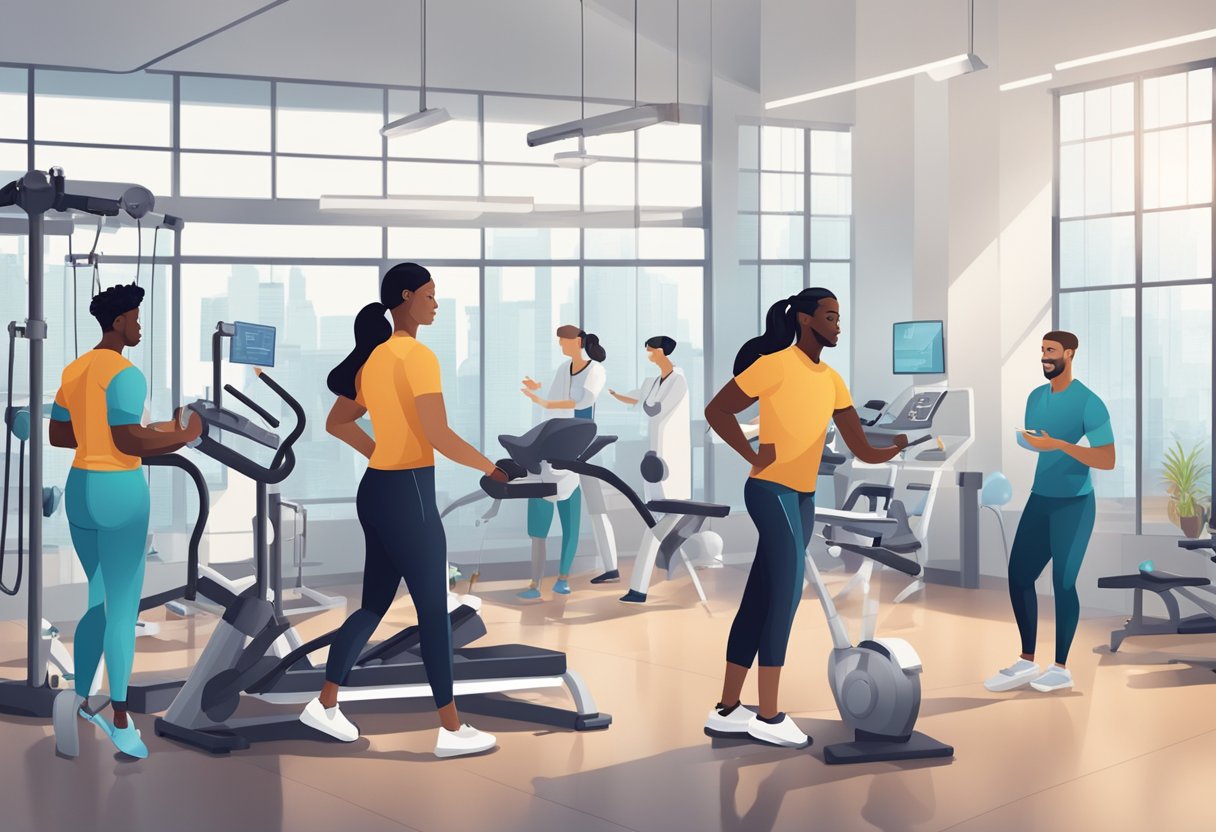
Arizona State University's health sciences programs work closely with major healthcare providers and research institutions. These partnerships enhance student learning and advance medical research.
Working with Health Organizations
ASU teams up with top healthcare groups in Arizona. Mayo Clinic and ASU created a partnership to improve medical education. This alliance helps students learn about healthcare delivery.
Banner Health and HonorHealth also collaborate with ASU. These partnerships give students hands-on experience in hospitals and clinics. Students work alongside doctors and nurses to gain real-world skills.
Dignity Health joins forces with ASU for community health projects. Together, they run programs to promote wellness in local neighborhoods. This teamwork helps address health issues affecting Arizona residents.
Bridging Research and Community Impact
ASU's research expertise combines with partner hospitals' clinical knowledge. This mix leads to new treatments and better patient care. Researchers and doctors work side by side to solve health problems.
Community health partners play a big role in ASU's health science efforts. Local groups help ASU reach people who need health services. This teamwork brings university research directly to communities.
ASU uses citizen science and technology to promote physical activity. These projects get people involved in their own health. They also provide valuable data for researchers to study.
Frequently Asked Questions

ASU offers various programs related to health, fitness, and wellness. These programs prepare students for diverse career paths and provide different specializations within the field.
What career opportunities are available to graduates with a degree in Healthy Lifestyle and Fitness Science from ASU?
Graduates with this degree can pursue careers as fitness trainers, wellness coaches, or health educators. They may work in gyms, corporate wellness programs, or community health centers.
Some graduates choose to pursue further education to become physical therapists or occupational therapists. Others may find roles in health promotion or program management for healthcare organizations.
What courses are typically required in the ASU Healthy Lifestyle and Fitness Science program?
The program typically includes courses in anatomy, physiology, and exercise science. Students also study nutrition, health psychology, and principles of fitness training.
Other common courses cover topics like wellness program design, health behavior change, and research methods. Practical experience through internships or fieldwork is often part of the curriculum.
How does a degree in Health and Wellness compare to a degree in Exercise Science in terms of salaries after graduation?
Salaries for Health and Wellness graduates may vary depending on the specific role and industry. Exercise Science graduates often work in more specialized fitness roles.
Health and Wellness graduates might find jobs in corporate wellness or health education. Exercise Science graduates may pursue careers as personal trainers or strength and conditioning coaches.
Can the ASU Health and Wellness degree be completed online, and if so, what are the key characteristics of the program?
ASU offers online options for some health-related degrees. The online program typically provides flexibility for students to complete coursework on their own schedule.
Key features may include virtual labs, interactive discussions, and remote internship opportunities. Students often have access to online resources and support services.
What are the main differences between a Health Science major and an Exercise Science major at ASU?
Health Science majors often focus on broader aspects of health and healthcare systems. Exercise Science majors concentrate more on human movement and physical performance.
Health Science students may study topics like public health and healthcare administration. Exercise Science students typically dive deeper into biomechanics and exercise physiology.
Is there a program at ASU that focuses specifically on nutrition, and how does it relate to the Healthy Lifestyle and Fitness Science program?
ASU offers nutrition-focused programs within their health and wellness curriculum. These programs often share core courses with the Healthy Lifestyle and Fitness Science program.
Nutrition students may take more specialized courses in dietetics and food science. Both programs emphasize the importance of nutrition in maintaining overall health and wellness.


 Posts
Posts


0 Comments