
Fitness and friends and building a supportive Workout Community
Staying fit and healthy is easier and more fun when you do it with friends. Working out together can boost motivation, make exercise more enjoyable, and help you stick to your fitness goals. Research shows that people who exercise with friends are more likely to maintain their fitness routines long-term.
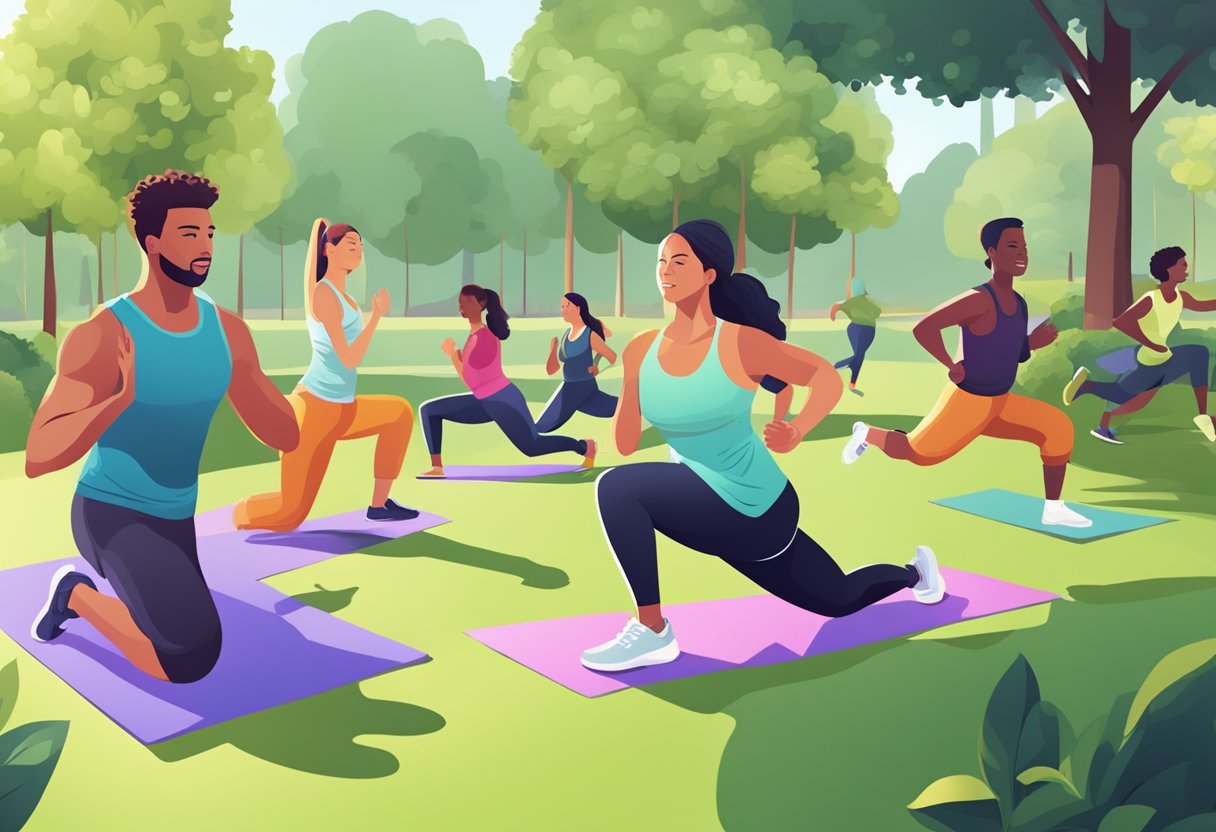
Exercising with friends can also make trying new activities less intimidating. Whether it's joining a sports team, taking a dance class, or hiking on weekends, having a buddy system makes stepping out of your comfort zone more appealing. Plus, the social aspect of group fitness can improve mental health and reduce stress.
Technology has made it even easier to connect with fitness-minded friends. Apps and wearables allow people to share workouts, compete in challenges, and cheer each other on from anywhere. This blend of social support and tech tools creates a powerful combo for anyone looking to improve their health and fitness.
Key Takeaways
- Exercising with friends increases motivation and long-term commitment to fitness
- Group activities and social support make trying new workouts more enjoyable
- Technology enhances the social aspects of fitness, allowing for remote support and friendly competition
Understanding Fitness and Social Dynamics
Fitness and social connections go hand in hand. Working out with others can boost motivation, improve results, and make exercise more enjoyable.
The Role of Community in Fitness
Social dynamics in fitness can greatly impact exercise habits. Group classes and team sports create a sense of belonging. This helps people stick to their fitness goals.
Fitness communities offer support and encouragement. Members share tips, celebrate achievements, and push each other to improve. Many gyms now focus on building a strong community atmosphere.
Online fitness groups have also become popular. These allow people to connect with others who have similar goals. Social media platforms make it easy to share progress and get advice from a wider network.
Psychological Benefits of Having Workout Buddies
Exercise with friends can have positive mental effects. Workout partners provide accountability and motivation. This makes it harder to skip planned sessions.
Having a fitness buddy can reduce stress and anxiety. Socializing during exercise releases endorphins, improving mood. It also helps combat feelings of loneliness or isolation.
Friendly competition can push individuals to work harder. This often leads to better fitness outcomes. Group dynamics in exercise settings can create a positive atmosphere that boosts confidence and self-esteem.
Shared fitness experiences can strengthen friendships. Working towards common goals builds trust and camaraderie. This social aspect can make fitness routines more sustainable long-term.
Setting and Achieving Fitness Goals
Setting fitness goals and working toward them with friends can boost motivation and results. Friends provide support and accountability, pushing each other to reach new personal bests.
Importance of Accountability in Fitness
Accountability plays a key role in reaching fitness goals. Having a workout buddy or group creates external motivation to show up and give full effort. Friends can track each other's progress and offer encouragement during tough times.
Sharing goals with others makes people more likely to follow through. A fitness friend can check in regularly on workout plans and nutrition habits. This helps maintain focus on long-term objectives.
Some apps allow users to connect with friends and share fitness data. Seeing others' activity can spark friendly competition. It also provides ideas for new exercises or routines to try.
How Fitness Friends Can Motivate Personal Bests
Working out with friends pushes people to achieve more than they might alone. A training partner can spot during weight lifting, allowing heavier lifts and more reps. Running or cycling buddies help maintain a faster pace over longer distances.
Friends offer real-time feedback and encouragement during workouts. This positive reinforcement boosts confidence and performance. Celebrating fitness milestones together strengthens social bonds and motivation.
Group fitness classes create a supportive environment for trying new activities. The shared experience of challenging workouts builds camaraderie. This social aspect makes exercise more enjoyable and sustainable long-term.
Incorporating Technology and Fitness Apps
Technology has changed how people track their fitness and connect with others. Fitness apps make it easy to log workouts, set goals, and compete with friends.
Tracking Progress with iOS and Strava
iOS devices come with built-in fitness tracking. The Health app counts steps and logs activities. It syncs with many popular fitness apps too.
Strava is a top choice for runners and cyclists. Users can record routes, pace, and distance. The app shows stats and maps after each workout. Friends can give kudos and comments on activities.
Strava's segments feature lets people race against others on short courses. Users can see how they rank on local trails and roads. This adds a fun challenge to regular routes.
Engaging in Healthy Competition through StepBet
StepBet turns walking into a game with real money stakes. Players join games and bet they'll hit step goals for 6 weeks. Winners split the pot at the end.
The app syncs with fitness trackers to count steps. It sets personalized goals based on past activity. This pushes people to be more active than usual.
StepBet creates accountability through financial motivation. Players often form groups to cheer each other on. The social aspect helps people stick to their goals.
Some find the money aspect adds stress to exercise. Others enjoy the extra push to move more each day. StepBet can be a fun way to boost daily activity for many users.
Exploring Various Fitness Activities

Fitness activities with friends can boost motivation and enjoyment. Different options suit various preferences and fitness levels.
Cardio Workout Partners: Running, Cycling, and HIIT
Running with friends can make exercise more fun. Buddies can help set a steady pace and provide encouragement on tough routes. Some groups meet regularly for morning jogs or weekend runs.
Cycling offers a chance to explore new areas together. Friends can plan scenic routes or join local cycling clubs. Safety in numbers is an added benefit when riding on roads.
High-Intensity Interval Training (HIIT) workouts are great for busy schedules. Partners can challenge each other during short, intense bursts of exercise. They can also help with form and timing during rest periods.
The Social Connection of Yoga and Hiking Groups
Yoga classes create a sense of community. Friends can practice together and improve their flexibility and balance. Many studios offer partner yoga sessions to deepen connections.
Group yoga retreats combine fitness with travel. These events let friends relax and grow together in new environments.
Hiking groups bring exercise and nature together. Friends can tackle challenging trails or enjoy leisurely walks. Regular hikes build endurance and offer chances to bond.
Some hiking clubs organize overnight trips. These adventures test fitness levels and create lasting memories. Shared experiences in nature can strengthen friendships.
Nutrition and Its Social Aspects
Eating habits and food choices are deeply influenced by our social connections. Friends and workout partners can play a big role in shaping our nutrition habits and supporting healthy lifestyle choices.
Sharing Healthy Lifestyle Choices
People often adopt eating and exercise habits similar to their friends. This can be positive when friends make nutritious food choices together. For example, coworkers might decide to pack healthy lunches or try new vegetable-based recipes as a group.
Social support is key for sticking to nutrition goals. Friends can offer encouragement, share tips, and be accountability partners. They may swap healthy recipes or plan active outings that don't revolve around unhealthy foods.
Some friends even use apps or online groups to track their nutrition progress together. This adds a fun, competitive element to eating well.
Meal Prepping with Workout Partners
Meal prepping with exercise buddies combines nutrition and fitness goals. Partners can plan balanced meals that fuel their workouts and support recovery. They might shop for ingredients together and spend a few hours cooking meals for the week ahead.
This social activity makes healthy eating more enjoyable and sustainable. It saves time and ensures nutritious options are always available. Partners can split costs and share cooking duties.
Exercising with friends often leads to better eating habits too. After a workout, partners are more likely to choose a protein-rich smoothie over junk food. They can discuss nutrition strategies and motivate each other to stay on track with their health goals.
Fitness Throughout Different Life Stages
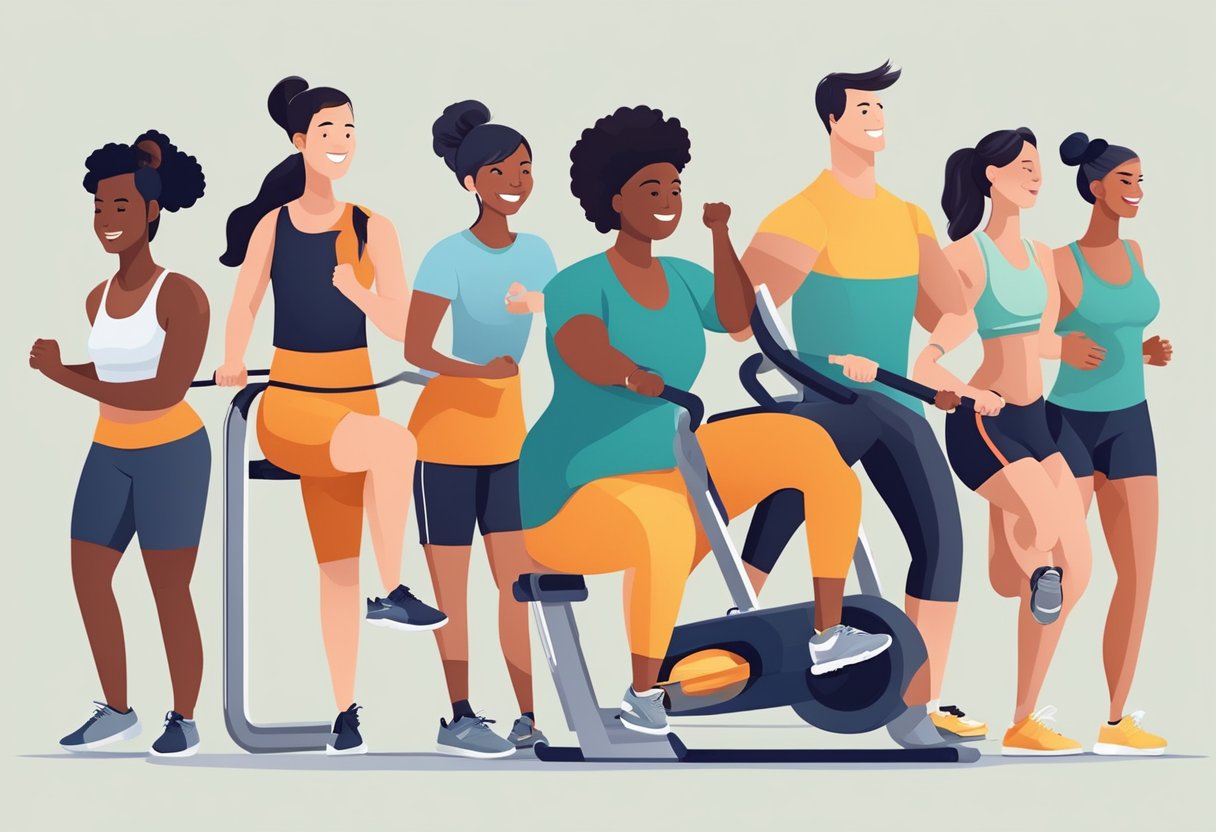
Staying active is important at every age. Our fitness needs change as we move through different stages of life. Adapting exercise routines helps people stay healthy and strong over time.
Adapting Fitness Routines for Various Age Ranges
Children and teens need lots of active play and sports. This helps them grow strong bones and muscles. Young adults often focus on building strength and endurance. They may enjoy group fitness classes with friends.
Adults in their 30s and 40s should add more flexibility training. This helps prevent injuries as the body ages. Balancing cardio, strength, and stretching becomes key.
Middle-aged adults benefit from low-impact exercises like swimming or cycling. These are easier on the joints. Weight training helps maintain muscle mass and bone density.
Older adults should focus on balance and stability. Exercises like tai chi can prevent falls. Light resistance training keeps muscles strong. Walking is great for heart health at any age.
Fitness programs should change with life stages. The goal is to stay active in safe, enjoyable ways. This helps people thrive at every age.
Building and Leveraging a Social Media Presence

Social media platforms offer great ways to share fitness goals and progress. They help connect with others on similar journeys and build a supportive community.
Showcasing Your Fitness Journey Online
Social media channels are perfect for documenting fitness progress. People can post workout videos, healthy meal photos, and before-and-after pictures.
Consistency is key when sharing content. A regular posting schedule keeps followers engaged and interested in the fitness journey.
Using relevant hashtags helps reach more people with similar interests. Popular fitness hashtags include #FitnessMotivation, #WorkoutWednesday, and #HealthyLifestyle.
Engaging with followers builds a strong community. Responding to comments and messages creates personal connections.
Collaborating with other fitness enthusiasts can expand reach. Joint workouts, challenges, or Q&A sessions make content more diverse and interesting.
Sharing tips and advice positions one as a helpful resource. This can include workout routines, nutrition info, or recovery techniques.
Fitness centers can use social media to connect with clients. They might share class schedules, introduce trainers, or give virtual tours of facilities.
Frequently Asked Questions

Joining fitness groups and setting up challenges with friends can boost motivation and social connections. Several apps and strategies help locate nearby workout buddies and start fun competitions.
What are ways to locate nearby fitness groups for socializing?
People can find local fitness groups through social media platforms like Facebook and Meetup. Many gyms offer group classes that allow members to meet others with similar interests. Parks and community centers often host outdoor workout sessions where folks can make new friends.
How can one initiate a fitness challenge among friends?
Starting a fitness challenge with friends is easy. Pick a goal, like running 100 miles in a month or doing 1000 pushups. Set a timeframe and decide on a reward for the winner. Use a shared spreadsheet or fitness app to track progress and keep everyone motivated.
Which apps are recommended for setting up fitness challenges with friends?
Popular apps for fitness challenges include Strava, MyFitnessPal, and Fitbit. These allow users to connect with friends and compete in step counts, workout minutes, or custom goals. Some apps offer virtual races and team challenges to keep things fun and exciting.
Are there notable benefits of having workout buddies for motivation?
Having workout partners can greatly boost motivation. Friends provide accountability and make exercise more fun. Studies show people tend to exercise more frequently when working out with others. Buddies can also offer support and encouragement during tough workouts.
What should one look for when reading reviews about group fitness communities?
When checking reviews of fitness groups, look for comments about the atmosphere and inclusivity. Note mentions of skill levels welcomed and how newcomers are treated. Pay attention to feedback about instructors' qualifications and the variety of activities offered.
How does participating in physical activities contribute to forming strong friendships?
Shared physical activities can create strong bonds. Regular exercise together builds trust and mutual support. Group sports and dance classes offer chances to socialize while staying active. Overcoming fitness challenges as a team can lead to lasting friendships based on common goals and experiences.


 Posts
Posts


0 Comments